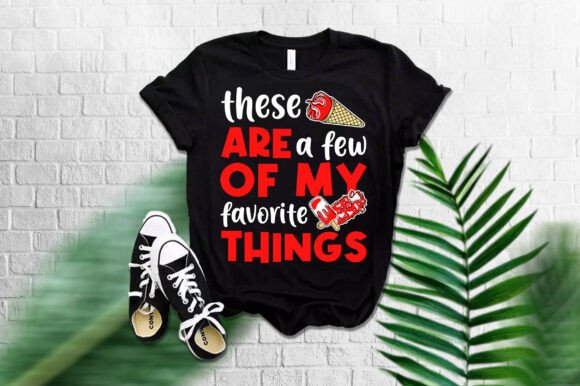
MY Favorite THINGS T-Shirt Design: A Vector Asset for Creative Professionals
In the fast-paced world of visual design, the ability to communicate a message through high-quality typography and scalable graphics is paramount. When a design project calls for a blend of personal expression and professional execution, assets like the MY Favorite THINGS T-Shirt Design become invaluable. This is more than just a graphic for apparel; it is a versatile vector solution crafted for designers, marketers, and creators who demand precision and adaptability in their creative workflow. Whether you are developing a brand identity, launching a merchandise line, or creating custom stationery, understanding the value of a well-structured design file is the first step toward a polished final product.
The Role of Quality Vector Assets in Modern Design
Effective visual communication hinges on clarity and scalability. A design that looks perfect on a business card must also perform flawlessly on a billboard or a social media banner. This is where vector formats—SVG, EPS, and high-resolution PNG—prove their worth. Unlike raster images that pixelate when enlarged, vector graphics maintain crisp edges and perfect color fidelity at any size. For a design professional, this eliminates guesswork and ensures brand consistency across all touchpoints, from digital interfaces to large-format print applications.
Practical Applications Beyond Apparel
While the name suggests a focus on t-shirts and mugs, the utility of a well-designed template extends far deeper into the creative ecosystem. Consider these practical applications where such an asset can elevate your projects:
- Branding and Logo Design: Use elements as part of a larger brand mark or as a supporting graphic for a company's visual identity system.
- Marketing Materials: Integrate the design into flyers, posters, and digital ads to create a cohesive campaign theme.
- Social Media Content: Adapt the typography and layout for engaging posts, stories, or profile graphics that capture audience attention.
- Packaging and Merchandise: Apply the design to product labels, tote bags, or promotional items to strengthen brand recognition.
- Digital Products and Editorial Design: Incorporate the style into e-books, presentations, or website headers for a modern, clean aesthetic.
Key Considerations for Selecting Design Elements
Choosing the right creative asset involves more than just visual appeal. A professional evaluates several factors to ensure seamless integration into their project. First, assess the file versatility. The inclusion of SVG, EPS, and PNG files at 300 DPI ensures compatibility with all major design software, from Adobe Illustrator to Canva, and supports both print and digital outputs. Second, consider customizability. The ability to change colors completely allows the design to adapt to any brand palette or color scheme, which is critical for maintaining visual hierarchy and audience engagement.
Furthermore, the composition and typography must align with your project's goals. A clean, readable layout ensures the message is communicated effectively, whether viewed on a mobile screen or a printed card. The design's scalability also means it can serve as a foundational element for larger creative projects, saving valuable time in the design workflow.
Elevating Your Creative Projects with Thoughtful Design
In a competitive digital landscape, the quality of your visual assets directly impacts user experience and brand perception. A thoughtfully designed template does more than fill space; it communicates professionalism, attention to detail, and a clear message. By leveraging high-quality, adaptable resources, designers and creators can streamline their process, focus on strategic communication, and deliver results that resonate with their audience. Ultimately, investing in premium design elements is an investment in the clarity and impact of your visual storytelling.